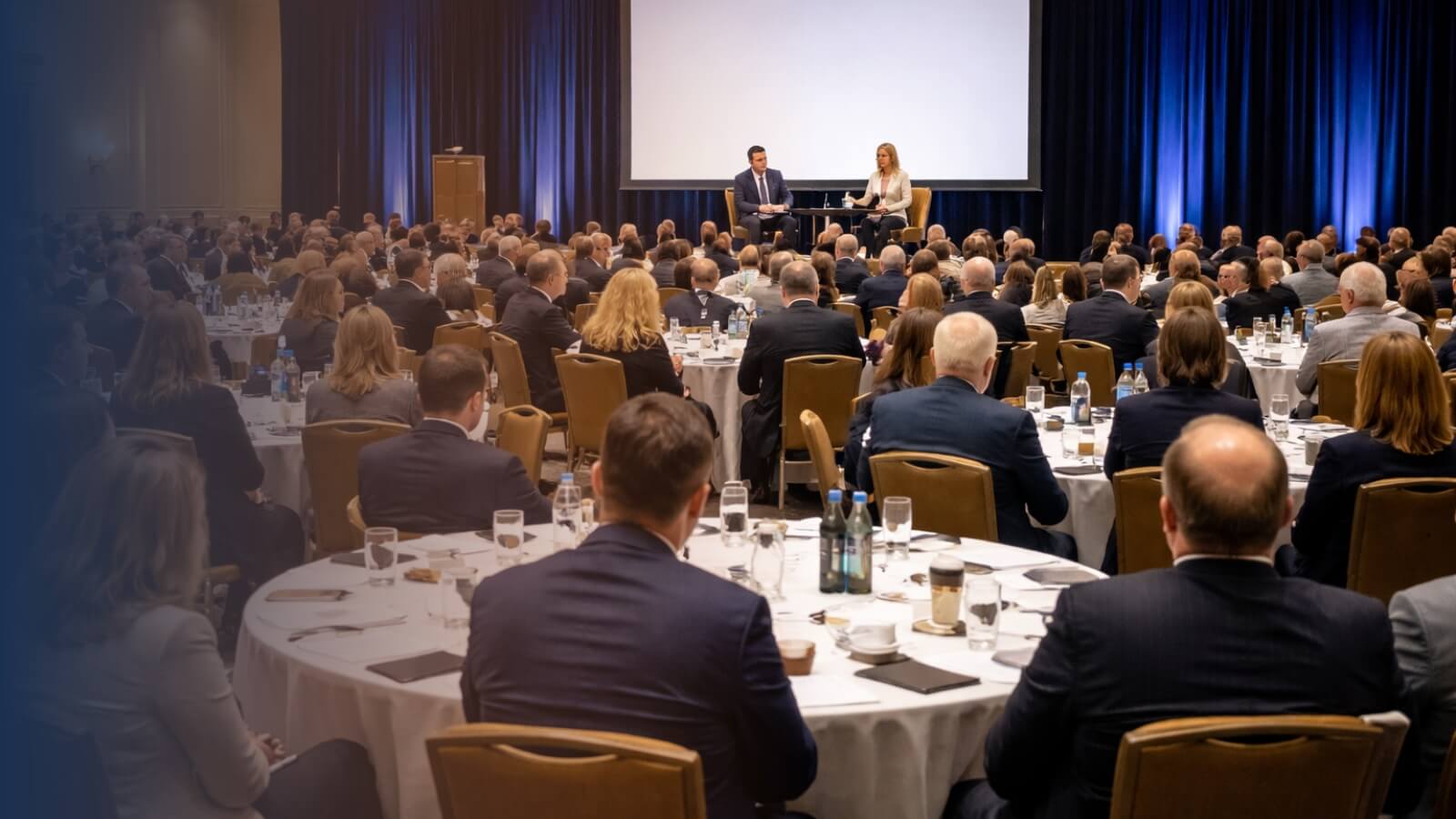
Navigate Forward recently hosted a group of HR and talent leaders for a discussion on enabling succession planning. That conversation is the basis for this article and the following series focused on the topic.
Within Navigate Forward’s community of HR leaders, “inconsistent” was used most often to describe how succession planning really gets done inside most organizations. Right behind it: messy, broken, and daunting. But in the same conversation, leaders also reached for words like opportunity, trust, and enablement. Both are true. Executive succession planning is genuinely hard, and it’s also one of the most valuable investments an organization can make in its own future.
Ask most HR leaders what succession planning involves, and they’ll describe a search for the next person. Who’s ready? Who needs more development? Who should be next in line? Those questions matter, but in the context of growing retirements, the harder question to answer is: When is the current leader ready to go?
When that question goes unanswered for too long, the rest of the plan can stall no matter how strong the successor is.
Reframe Retirement
One of the clearest takeaways from our recent conversation was that a leader’s retirement shouldn’t be something you leave to chance. It requires thoughtful planning and clear communication. The HR and talent leaders we met with shared a few ideas on how to begin shifting how executives and team members view retirement and succession.
- Reframe the exit around legacy. Word choice matters more than most leaders realize. “Retirement” and “transition” can sound like an ending. “Legacy” sounds like something a leader gets to shape. That single reframe, from loss to legacy, can be the difference between a leader who drags their feet for two years and one who steps aside with intention.
- Make legacy planning a real benefit. The organizations doing this best aren’t leaving it to chance. One company now offers legacy planning to every officer once they turn 60, as it is built directly into that leader’s executive compensation and benefits package. It’s a programmatic way to support senior executives as they think through their own transition, long before the transition becomes urgent.
- Create a culture of transitions. Sometimes leaders need a nudge. Being asked to let go of responsibilities or even move on should be framed as a change, not a failure. Organizations that get this part of succession planning right treat every transition, up or on, with integrity and generosity. That may mean reframing the role, using compensation levers, or offering transition packages that make it easier to move on.
Legacy Matters
I once worked with a vice president who had spent over 30 years with the same employer. She was deeply rooted in her role and in her community. Not surprisingly, she was terrified to leave, because so much of her identity was wrapped up in the job.
She knew she needed to pass the reins to the next generation of leaders, but two full years of succession planning produced almost no movement. Along the way, the organization lost strong succession candidates who had grown tired of waiting.
What finally made it possible for her to imagine leaving wasn’t a deadline or a directive. It was a conversation about her legacy. Once that reframe landed, she could move forward. It’s exactly the kind of conversation a dedicated legacy planning service is built to have much earlier, before years and candidates are lost to indecision.
Don’t Let the Hard Call Linger
In our executive succession planning conversation, one pattern emerged again and again: the slow good-bye. It most often occurs when the decision for a leader to move on needs to be made, but no one wants to make the call.
None of our HR and talent leaders in the room regretted moving too fast on that call. But many regretted moving too slowly. Here are a few practical “watch-outs” that came out of that conversation:
- Timing problems often trace back to a decision that should have been made earlier.
- Uncomfortable conversations never get easier with time. Delay extends the discomfort for everyone involved, including the person in the role.
- Reframing roles (e.g., leveraging skills as a subject matter expert or phasing retirement) and using compensation and benefit levers (vesting, financial planning, transition packages) can all make it easier to move someone along.
Get Aligned Early: Anointed, or Expected to Compete?
In retirement, timing can be everything. So, before an organization builds a succession plan, leaders need to agree on the shape of it. Is the successor being anointed into the role? Or are they expected to compete for it, potentially against other internal or external candidates?
There isn’t a right or wrong answer. But the leader and the succession candidate both need to understand which one it is. That distinction affects timing, knowledge transfer, how ready a candidate needs to be, and whether that candidate sticks around long enough to find out.
Moving On Gracefully
A legacy conversation replaces fear with intention. And a decisive, well-timed call, made early and managed with care, protects institutional knowledge and organizational value.
If your organization is ready to build legacy planning into how you support senior leaders through transition, Navigate Forward’s Legacy Planning service is designed to have that conversation early and with care. And if your goal is to offer an outgoing leader a well-planned departure while onboarding their successor, our Executive Onboarding Accelerator is a great accompaniment to help the new leader accelerate their impact. Reach out to learn more.